Cycle 21: Baroque, Bernini
Page 1
Form II Art History Supplementary Material
Cycle 21 – Baroque
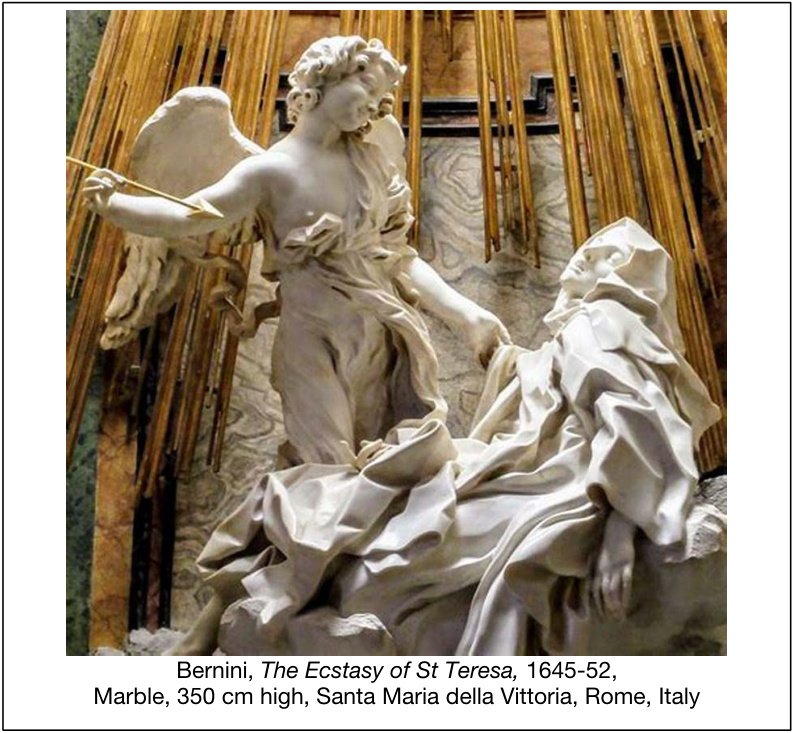
Bernini, The Ecstasy of St Teresa, 1645-52,
Marble, 350 cm high, Santa Maria della Vittoria, Rome, Italy
Name: ____________________________________ Class: ____________
House / Tutor :_____________________________ Master:____________
Page 2
Form II Art History Supplementary Material
BAROQUE ART
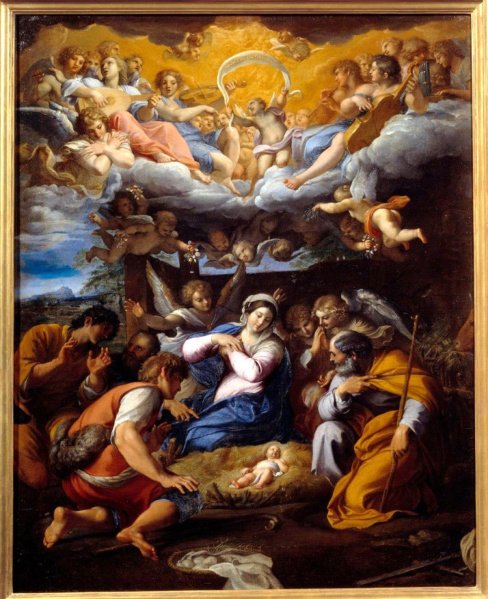
Annibale Carracci, Adoration of the Shepherds , 1611-12, oil on canvas, 104 x 83 cm, Musee des Beaux-Arts, Orleans, France
During the Counter-Reformation, the Catholic Church used artworks extensively to glorify its teachings and demonstrate its power. Many artworks depicted emotional and dramatic subjects such as martyrdoms and religious visions. Compositions were often complex and full of exaggerated movement, using contrasting light and shadow, and illusory space. Many church ceilings, for example, were transformed into heavenly spaces with figures hovering or soaring overhead in what appears to be infinite space.
Although many artists were influenced by classical art, later critics argued that their work lacked the order and ideal beauty of classical and Renaissance art. For this reason, they labeled them as ‘baroque’, which means ‘irregular’ and ‘contorted’. The term Baroque now describes a wide variety of European art and architecture made between about 1600 and 1750. It includes grand, extravagant art made for the Catholic Church and other wealthy patrons, as well as more intimate artworks with humble subject matter, which were common in Protestant countries such as Holland.
Read the introduction to Baroque Art on p. 212 - 215 in your textbook, and answer the following questions (please make sure you also read the Key Events at the bottom of pages 212 and 213):
1. What cultural changes in Europe led to the development of Baroque art?
2. Describe four characteristics of Baroque art:
i) ii) iii) iv)
1
Page 3
Form II Art History Supplementary Material
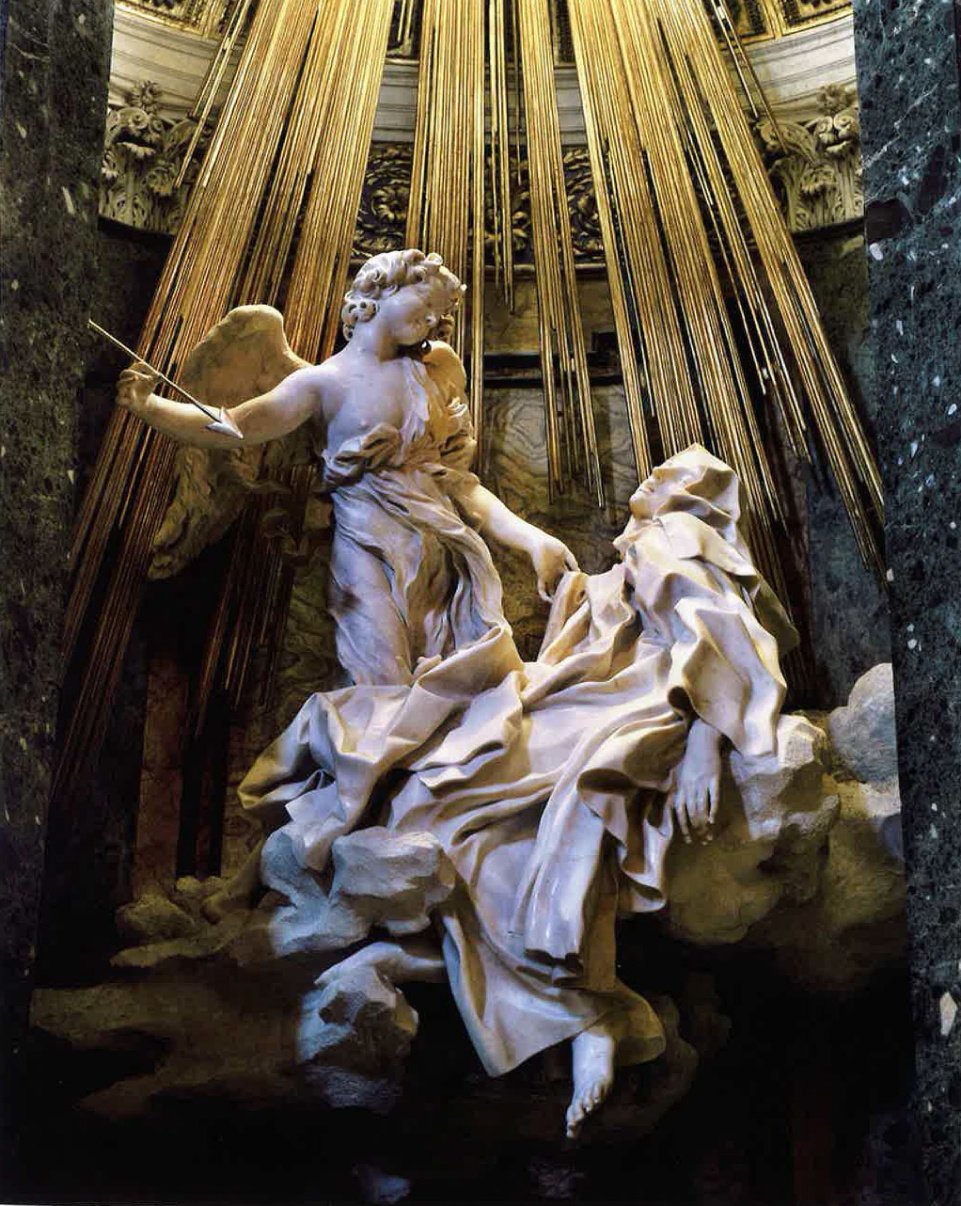
Bernini, The Ecstasy of St Teresa, 1645-52, marble 350 cm high, Santa Maria della Vittoria, Rome, Italy.
2
Page 4
Form II Art History Supplementary Material
ADDITIONAL RESOURCE MATERIAL.
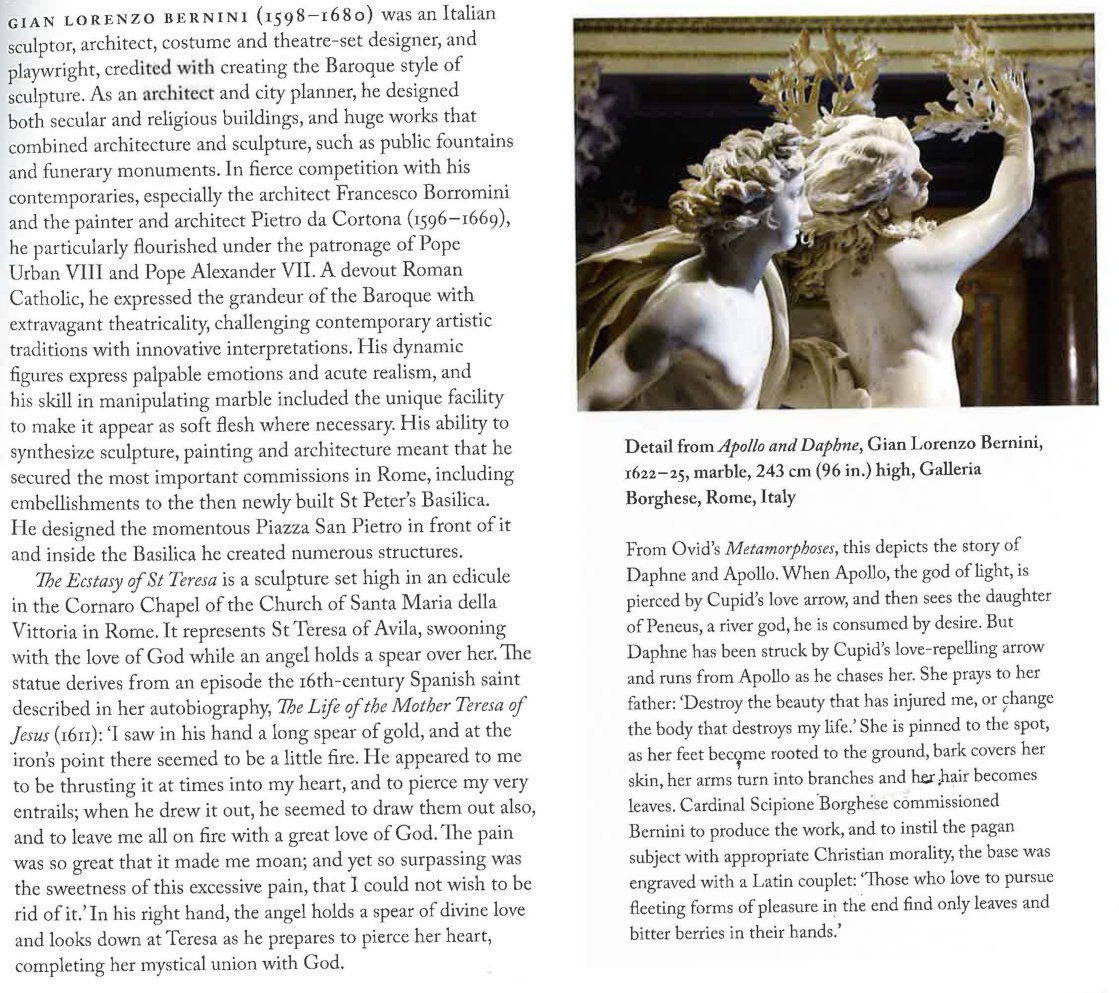
Source: Hodge, Art in Detail
3
Page 5
Form II Art History Supplementary Material
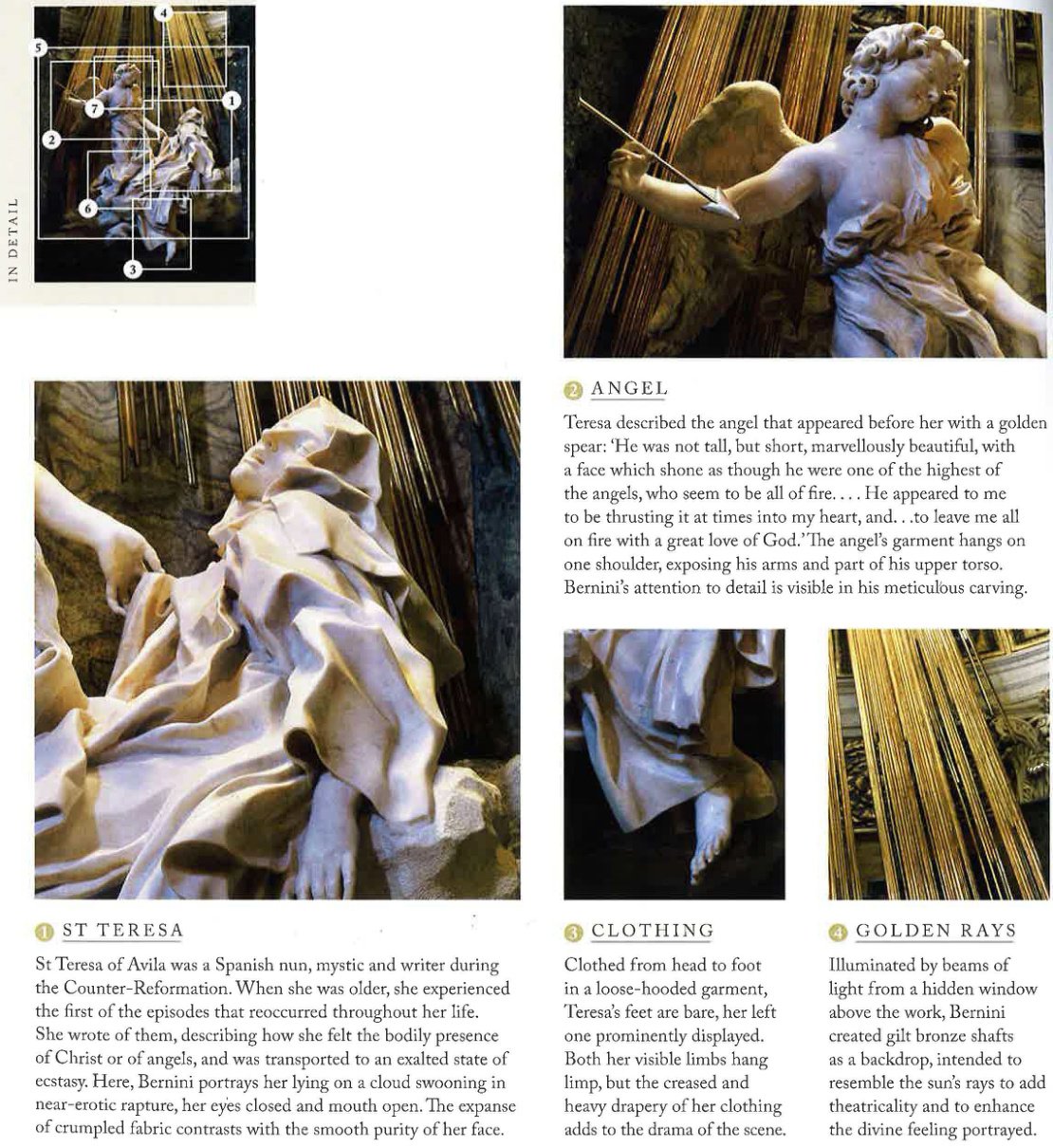
Source: Hodge, Art in Detail
4
Page 6
Form II Art History Supplementary Material
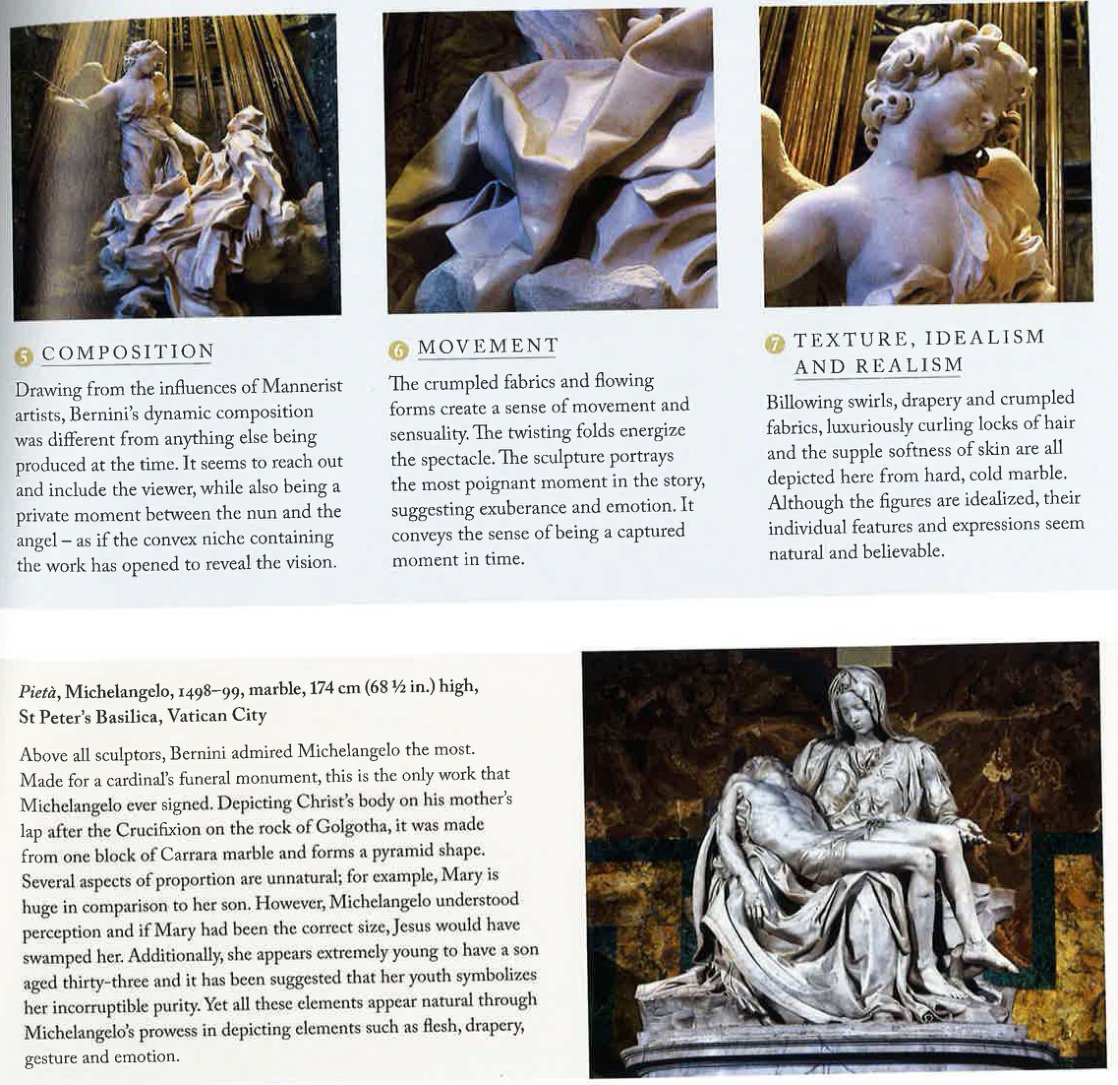
Source: Hodge, Art in Detail
5
Page 7
Form II Art History Supplementary Material
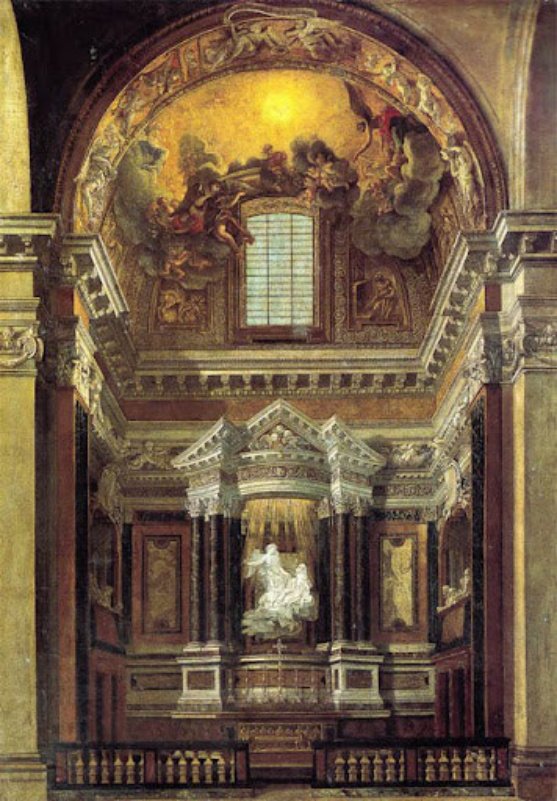
- Explain the story Bernini based the sculpture, Ecstasy of St Teresa, on.
-
How has Bernini merged architecture, sculpture, and painting to give his work dramatic impact?
-
Describe the way Bernini has sculpted the clothing of the two figures.
6
Page 8
Form II Art History Supplementary Material
NOTES
7
Page 9
Form II Art History Supplementary Material
8