Cycle 23: Dutch Golden Age, Rembrandt
Page 1
Form II Art History Supplementary Material
Cycle 23 – Dutch Golden Age
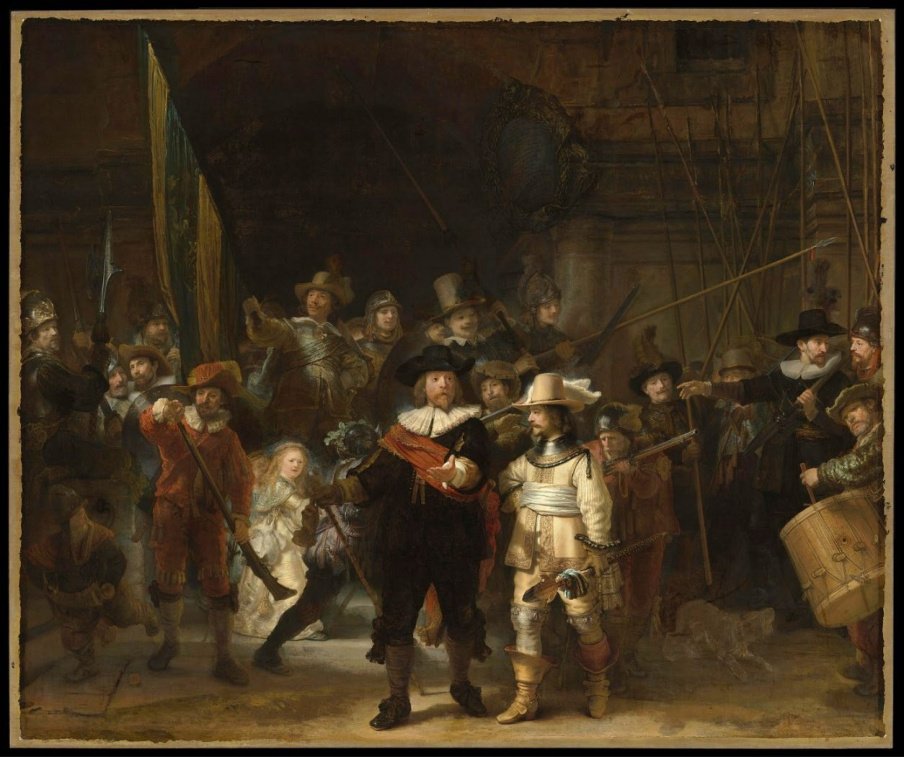
Rembrandt van Rijn, The Night Watch , oil on canvas, 1642, 3 63cm × 437cm
Name: ____________________________________ Class: _______________
House / Tutor: ___________________________ Master: _______________
Page 2
Form II Art History Supplementary Material
Rembrandt van Rijn (1606 - 1669)
The foremost Dutch artist of the 17th century was Rembrandt Van Rijn (1606 - 1669), an undisputed genius and one of the greatest painters and printmakers who ever lived. Born in Leiden, Rembrandt moved to Amsterdam around 1631, where he could attract a more extensive clientele. He quickly gained renown for his portraits, which delve deeply into the psyche and personality of his sitters. Like Hals (Frans Hals, Dutch painter), Rembrandt also produced memorable group portraits. The most famous is The Company of Captain Frans Banning Cocq (1642), better known as The Night Watch . This more commonly used title is a misnomer, however. The painting is not a nocturnal scene, nor are the figures portrayed posted on a watch in defence of their city. The painting features dramatic lights, but its tonality today is the result of the varnish the artist used, which darkened considerably over time.
Source: Gardner’s Art through the Ages
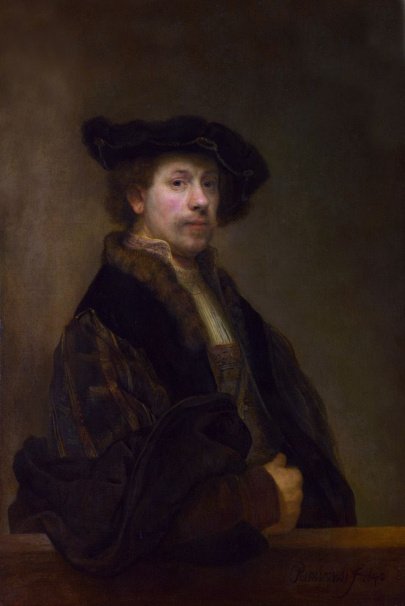
Rambrandt van Rijn, Self-portrait at age 34 , 1640, oil on canvas, 91 cm x 75 cm
Self-Portraits
Rembrandt created over 40 painted self-portraits, each capturing his evolution both as a man and an artist. Through these works, he documented his journey—his youthful vigor, his love, and early success, as well as the heartbreaking loneliness that marked his later years. These self-portraits not only reflect his personal struggles but also his artistic development. Read on to explore more about Rembrandt’s self-portraits and discover some of the most famous ones.
Over the 63 years of his life, Rembrandt painted dozens of self-portraits, with more than 40 of them being paintings. He was the first artist in history to use the genre so extensively, turning it from a simple exercise into an autobiographical tool. Rembrandt’s self-portraits reflected his path from the start of his career to his last years.
Source: The Collector , 2026
1
Page 3
Form II Art History Supplementary Material
Watch the Khan Academy video and answer the questions below. https://www.khanacademy.org/humanities/renaissance-reformation/baroqueart1/holland/v/rembrandt-the-artist-in-his-studio
-
How has Rembrandt ‘pared down’ the scene in this painting?
-
What was Rembrandt promoting/encouraging through this approach to painting?
-
Describe the composition of the painting (STRUCTURAL FRAME).
-
How did society view Dutch Golden Age artists in the 17th century?
2
Page 4
Form II Art History Supplementary Material
Notes
3
Page 5
Form II Art History Supplementary Material
4